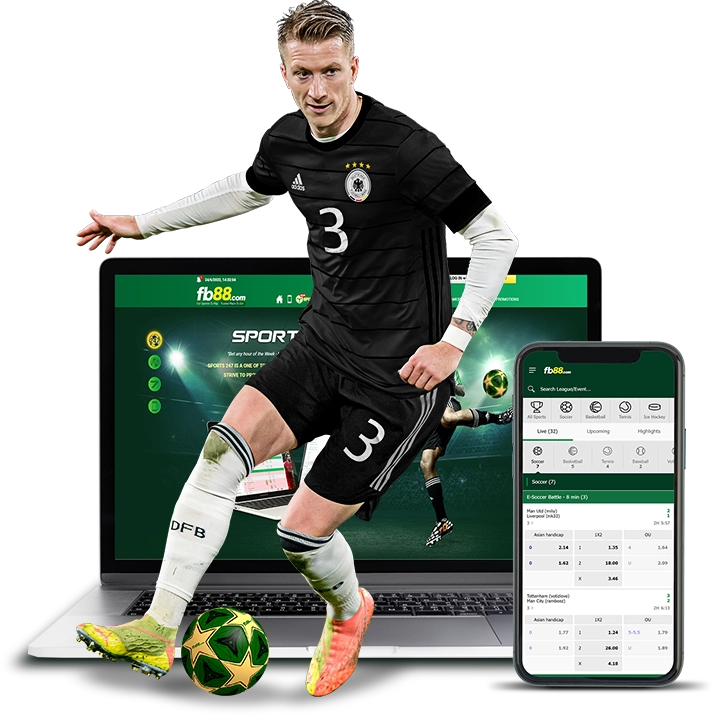
MANG CƯỢC CỦA BẠN LÊN MỘT TẦM CAO MỚI VỚI THỂ THAO 3
Cho phép người chơi thay đổi các lựa chọn đặt cược hiện tại của họ trên đơn cược.
Cung cấp cơ hội đặt nhiều kèo cược bằng cách đề ra cho người chơi các lựa chọn và nhiều kèo cược đã được thiết lập sẵn.
Cho phép người chơi cài cố định cấu hình số tiền đặt cược và sau đó chỉ cần một cú nhấp chuột để đặt cược mà không cần phải nhập số tiền ( Vì nó đã được cài đặt sẵn ).
Cho phép thành viên kiểm soát đặt cược của họ, về cơ bản sẽ cung cấp tùy chọn để giải quyết đặt cược hiện tại trước khi sự kiện kết thúc.
Nhà cái Fb88 là địa điểm cá cược trực tuyến được người chơi đặc biệt ưa chuộng. Số lượng người tham gia ngày càng tăng và vẫn chưa có dấu hiệu dừng lại. Với chất lượng sản phẩm của mình, Fb88 hứa hẹn trở thành điểm đến hàng đầu cho khách hàng. Cùng bài viết này khám phá nhà cái Fb88 đang làm mưa làm gió trên thị trường.
Nhà cái Fb88 là một công ty chuyên cung cấp các dịch vụ liên quan đến cá cược trực tuyến tại khu vực châu Á. Người chơi có thể tham gia nhiều loại hình giải trí ăn tiền thật tại đây. Tôn chỉ hoạt động của Fb88 dựa trên sự hài lòng của khách hàng. Với số lượng người tham gia đông đảo mỗi ngày đã phần nào chứng minh cho sự uy tín của Fb88.
Giới thiệu đôi nét nhà cái Fb88
Trụ sở chính của Fb88 được đặt tại Manila, Philippines và được cấp chứng nhận kinh doanh hợp pháp bởi nhiều tổ chức lớn trong khu vực. Mọi vấn đề pháp lý đều được giải quyết trước khi người chơi tham gia cá cược. Nếu bạn là một người có dự định làm giàu từ cá cược online, Fb88 sẽ là lựa chọn hoàn hảo dành cho bạn.
Tham gia FB88 thông qua đâu?
Hiện tại người chơi có thể tham gia đặt cược tại nhà cái Fb88 tại bản website và bản app. Đường link truy cập đến website là duy nhất và không có thêm bất kỳ chi nhánh phụ nào. Khách hàng cần lưu tâm điều này nhằm tránh trường hợp vào nhầm trang giả mạo. Mọi thay đổi về đường dẫn sẽ được nhà cái Fb88 thông báo đến người chơi trước 2 đến 3 ngày.
Điều kiện đặt cược tại Fb88
Mọi sản phẩm và dịch vụ cá cược tại Fb88 được phục vụ người chơi một cách hoàn toàn miễn phí. Tuy vậy nhưng vẫn đòi hỏi người chơi đáp ứng một số điều kiện nhất định trước khi tham gia. Nội dung chi tiết các quy định bao gồm:
Người tham gia Fb88 phải đủ 18 tuổi trở lên và đủ khả năng chịu trách nhiệm cho các hành vi của bản thân.
Phải sở hữu tài khoản cá nhân với thông tin chính chủ tại nhà cái Fb88.
Có tài khoản liên ngân hàng nội địa để thực hiện liên kết và chuyển đổi tiền tệ.
Thiết bị đã cài đặt sẵn ứng dụng 1.1.1.1 nhằm chuyển đổi mã vùng khi cần thiết.
Thiết bị phải có kết nối mạng internet hoặc wifi để sử dụng các dịch vụ tại Fb88
Có gì đặc biệt tại Fb88?
Người chơi có thể trải nghiệm được nhiều tính năng hấp dẫn tại nhà cái Fb88. Những sản phẩm tại Fb88 là độc nhất và bạn sẽ không thể tìm thấy ở bất kỳ nhà cái nào khác. Cùng điểm qua những điểm đặc sắc tại nhà cái Fb88.
Liên kết với nhiều cổng game lớn
Điểm sáng nhất của nhà cái Fb88 nằm ở kho trò chơi đồ sộ với đa dạng thể loại cho người chơi thỏa sức lựa chọn. Điều này là do hầu hết các cổng game lớn trong khu vực đều có liên hệ với Fb88. Bạn có thể trải nghiệm tựa game cá cược mà mình yêu thích trong khi có thể kiếm được tiền từ nó.
Kho game độc đáo tại Fb88
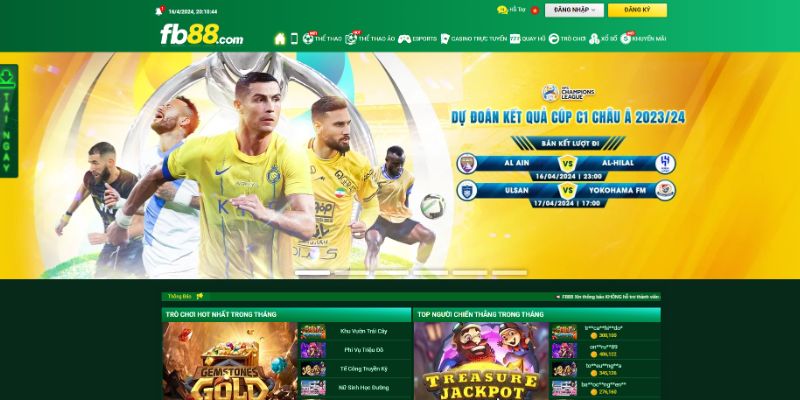
Giao diện độc đáo, hiện đại
Giao diện Fb88 gây ấn tượng mạnh cho người chơi với thiết kế hiện đại cùng tone màu xanh lục nổi bật. Toàn bộ đồ họa và hình ảnh đều được sử dụng ở mức chất lượng 4K giúp tạo cảm giác nhìn tốt. Thanh menu được thiết kế theo phương ngang và đặt ở vị trí đầu giúp người chơi có thể dễ dàng tìm kiếm và thao tác.
Chăm sóc khách hàng tận tâm
Fb88 luôn chú trọng đến trải nghiệm của khách hàng và rất đầu tư vào hệ thống chăm sóc. Các tư vấn viên tại đây đều có kiến thức chuyên sâu và có khả năng trả lời tất cả câu hỏi của người chơi. Tốc độ phản hồi và thái độ phục vụ của tư vấn viên cũng được quy định rất chặt chẽ. Người chơi có thể phản án với ban quản lý nếu cảm thấy chưa được phục vụ tốt trong quá trình sử dụng dịch vụ.
Hệ thống bảo mật thông tin mạnh mẽ
Hệ thống bảo mật tại nhà cái Fb88 sử dụng nhiều phần mềm hiện đại với sức mạnh vượt trội. Đội ngũ IT với trình độ cao luôn thường trực 24/7 nhằm ngăn chặn mọi xâm nhập dữ liệu từ bên ngoài. Thông tin của người chơi tại Fb88 luôn được giữ an toàn tuyệt đối.
An toàn bảo mật hiện đại tại Fb88
Cung cấp khuyến mãi quanh năm
Nhà cái Fb88 luôn tạo điều kiện để người chơi có thể tích vốn và tăng thời gian trải nghiệm tại đây. Các ưu đãi nạp được cung cấp quanh năm bên cạnh những sự kiện lớn khác. Cùng điểm qua những khuyến mãi tiêu biểu nhất tại Fb88:
Khuyến mãi tải app, trải nghiệm cho tân thủ nhận ngay 68K.
Thưởng nạp lần đầu đến 2 lần, giá trị lên đến 10% tổng số tiền nạp.
Chia sẻ bạn bè cùng tham gia nhận ngay ưu đãi hấp dẫn.
Fb88 khuyến mãi cho người chơi
Những trò chơi tiêu biểu tại Fb88
Nền tảng cá cược Fb88 tự hào là một nhà cái hàng đầu thị trường hiện nay với một kho trò chơi trực tuyến đa dạng vô cùng có thể kể đến như đá gà, casino, bắn cá nổ hũ, các thể loại cược thể thao… được thiết kế với đồ họa nét căng bởi các kỹ sư phần mềm có tiếng trên thế giới.
Casino
Các trò chơi nổi tiếng như Blackjack, Roulette và Baccarat được thiết kế với hình ảnh chân thực và giao diện sống động, chính là sự kết hợp độc đáo giữa cổ điển và hiện đại nhằm tạo nên một trải nghiệm chơi game bài online đẳng cấp nhất.
Game bài Casino tại Fb88
Thể thao
Người hâm mộ giải đấu đối kháng không thể nào bỏ qua trò chơi cược thể thao tại nhà cái Fb88, nơi bạn có thể hòa mình vào những trận cầu đỉnh cao tại các sân chơi nổi tiếng. Bạn cũng có thể thỏa sức chọn lựa môn thể thao yêu thích của riêng mình bao gồm: Bóng đá, Bóng rổ, Cầu lông, Tennis, Bóng chuyền… Sân chơi hứa hẹn mang đến cho khách hàng trải nghiệm cá cược tuyệt vời với hệ thống kèo uy tín và đa dạng.
Bắn cá
Bắn cá là trò chơi được đông đảo hội viên Fb88 tham gia. Với luật chơi đơn giản cùng phong cách chơi thú vị, Bắn cá đã gặt hái cho mình nhiều thành công. Bạn có thể trúng thưởng lớn nếu như biết được các thủ thuật bắn cá đến từ các lão làng tại Fb88.
Cổng game Bắn cá tại Fb88
Đá gà
Đá gà tại Fb88 không chỉ mang đến người chơi cảm giác hồi hộp, kịch tính của việc đặt cược mà còn tạo nên một môi trường chân thực không khác gì như đang thi đấu trực tiếp. Những cú đá mạnh mẽ kết hợp với kèo cược đa dạng là yếu tố khiến cho Đá gà là một hình thức vui chơi giải trí không thể bỏ qua tại nhà cái Fb88.
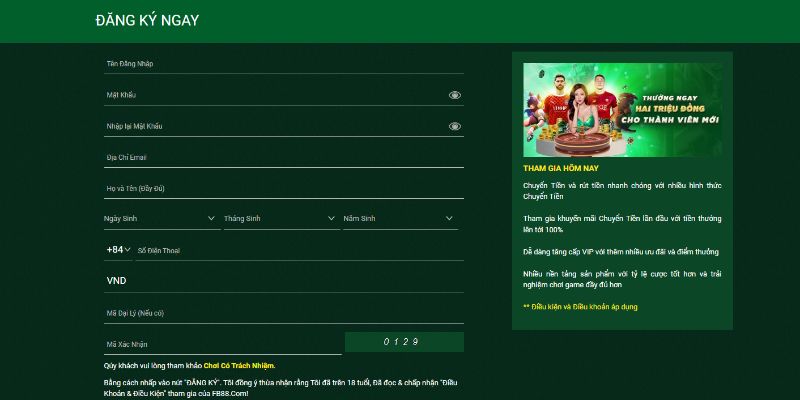
Hướng dẫn đăng ký tài khoản Fb88
Sau đây là chỉ dẫn chi tiết để bạn có thể nhanh chóng trở thành một thành viên chính thức của cộng đồng nhà cái chúng tôi.
Bước 1: Tiến hành mở trình duyệt Web và nhập địa chỉ chính thống của nhà cái Fb88.
Bước 2: Tại giao diện chính của chúng tôi, tìm kiếm nút “Đăng Ký” được đặt ở ngay bên dưới thanh Menu.
Hướng dẫn đăng ký Fb88 dành cho tân thủ
Bước 3: Bạn sẽ được yêu cầu điền các thông tin liên quan bao gồm tên, số điện thoại, địa chỉ gmail và một số thông tin khác.
Bước 4: Tiếp đến, hãy nghĩ cho mình một tên người dùng và mật khẩu. Lưu ý mật khẩu phải chứa ít nhất 8 ký tự và có sự kết hợp giữa chữ cái và số nhằm tăng tính bảo mật.
Bước 5: Sau khi hoàn tất các bước trên, dựa theo số điện thoại mà bạn đã nhập trang chủ sẽ gửi đến một mã xác thực OTP.
Bước 6: Cuối cùng hãy kiểm tra lại một lần nữa nhằm đảm bảo không có bất kỳ sai sót nào trong quá trình đăng ký tài khoản của bạn. Nếu mọi thứ đã chính xác, Click ngay vào nút “Xác nhận” và bắt đầu vui chơi tại nhà cái Fb88.
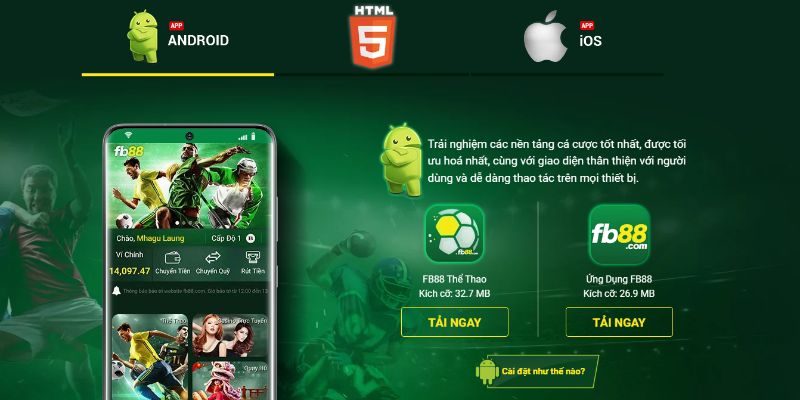
Quy trình tải app Fb88 cho di động
Nhà cái Fb88 đáp ứng đầy đủ nhu cầu sử dụng ứng dụng trên mọi thiết bị di động của khách hàng. Hỗ trợ 2 hệ điều hành quen thuộc nhất hiện nay: IOS và Android, người chơi hãy chọn lựa cho mình phương thức tải xuống phù hợp để cùng tham gia trải nghiệm.
Dành cho Android
Các thao tác để tải Nhà cái Fb88 vô cùng dễ dàng. Chỉ với vài thao tác đơn giản sau đây, bạn có thể tải app và tận hưởng những trò chơi hấp dẫn tại nền tảng.
Bước 1: Mở trình duyệt Web trên điện thoại của bạn và truy cập vào đường link chính thức của Nhà cái Fb88.
Bước 2: Click vào biểu tượng Tải App dành cho Android được hiển thị trên màn hình.
Bước 3: Sau khi hoàn tất tải xuống, hãy bấm chọn “Đăng ký” và điền đầy đủ mọi thông tin theo hướng dẫn của nền tảng. Trong trường hợp bạn đã có tài khoản, hãy gõ tên đăng nhập và mật khẩu để tiếp tục.
Bước 4: Tùy chọn tựa trò chơi yêu thích của bạn và trải nghiệm thôi!
Dành cho iOS
Tương tự như trên, cách tải dành cho IOS cũng vô cùng dễ hiểu dành cho những người mới chơi.
Hướng dẫn tải app Fb88
Bước 1: Bật trình duyệt Safari trên thiết bị của bạn và truy cập vào trang Web chính thức của nhà cái Fb88.
Bước 2: Nhấn vào nút “Tải App” trên giao diện chính của nhà cái.
Bước 3: Đợi trong chốc lát để hệ thống kiểm tra và xác nhận. Sau đó ứng dụng sẽ được hoàn tất tải xuống trên điện thoại của bạn.
Bước 4: Sau khi tải thành công app, bạn có thể đăng ký nick mới hoặc đăng nhập vào tài khoản có sẵn để bắt đầu khám phá những trò chơi hấp dẫn tại nhà cái Fb88.
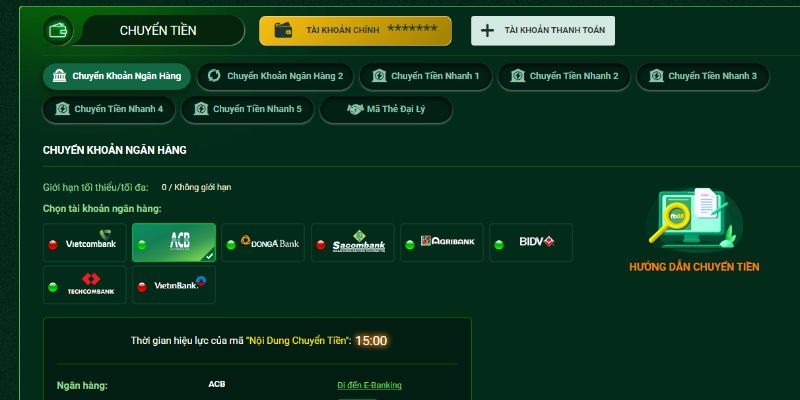
Hướng dẫn nạp tiền tại Fb88
Quy trình nạp tiền tại Fb88 bao gồm các bước sau:
Bước 1: Truy cập vào nhà cái Fb88 bằng đường link chính chủ.
Bước 2: Chọn thẻ nạp tiền ở góc trên của màn hình.
Bước 3: Chọn hình thức nạp tiền phù hợp, bao gồm: nạp qua ngân hàng nội địa và nạp qua ví điện tử thông dụng.
Bước 4: Chọn mức tiền cần nạp và xác nhận mã OTP.
Bước 5: Hoàn tất thủ tục nạp tiền.
Hướng dẫn nạp tiền Fb88
Hướng dẫn rút tiền tại Fb88
Quy trình rút tiền tại Fb88 bao gồm các bước sau:
Bước 1: Truy cập vào nhà cái Fb88 bằng đường link chính chủ.
Bước 2: Chọn thẻ rút tiền ở góc trên của màn hình và nhập mật khẩu rút tiền.
Bước 3: Chọn ngân hàng thụ hưởng đã liên kết với tài khoản.
Bước 4: Nhập số tiền cần rút (Trong phạm vi của số dư khả dụng).
Bước 5: Hoàn tất thủ tục nạp tiền.
Kết luận
Vậy là chúng ta đang đi qua toàn bộ thông tin về nhà cái Fb88 cùng những vấn đề liên quan. Hy vọng bài chia sẻ này có thể cung cấp những kiến thức bổ ích và giúp bạn có cái nhìn tổng quan hơn về Fb88. Lời cuối xin chúc tất cả mọi người có được những phút giây trọn vẹn nhất khi tham gia tại nhà cái Fb88.